
Small Business Progressive Thinking Needed
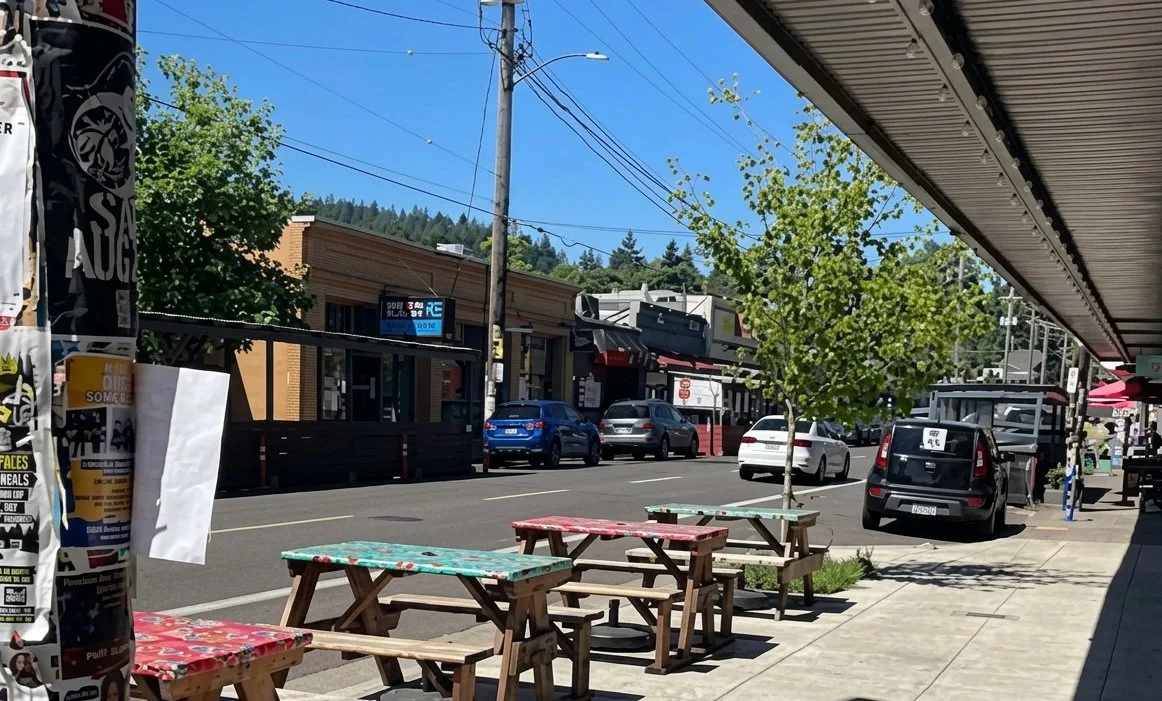
If the first two years of the Portland’s new city council was establishing the operational framework (while mopping up the messes left by previous elected officials), the next two years will be critical for the city council to develop a unifying agenda for small business that combines a critical look at incentives and disincentives, social cohesion, and public infrastructure across the four political districts of the city.
Portland Needs a Small Business Strategy
The real needs of small businesses across our city continue to accumulate at an alarming pace. Whether it is the story of how private equity is quietly gutting local ownership, the string of restaurant and bar closures this spring, or the reported 66 confirmed retail closures, the message is clear, Portland needs a small business strategy. Yet, instead of a strategy, we get table scraps swept from the public policy table.
So where do we go from here? I’d start with city council members convening true small business advisory groups at the political district level and convene the groups to educate our elected representatives and make systemic policy recommendations at the district level. That’s collaborative governance.

It’s the Local Small Business Economy, Stupid
We need a different economic development vision for our city. An economic vision that starts with the premise that investing in Main Street builds community capital and wealth. There is a growing research base that demonstrates the effectiveness of a hyper-localized economic development strategies and structures.

Zombie Malls or a Local Economy
Portland faces a choice of pursuing, as an economic development strategy based on the “mallification” of our city, concentrating our opportunities in the narrow inner core of the city, or building a local economy that is geographically equitable and diverse.

Importance of Nonprofit R&D
Helping boards understand that nonprofits must think in terms of operations and R&D as separate but equally important investments to make at this time of crisis is critical. The point of this article is not to frame with rigor the concept of Nonprofit R&D but to give your nonprofit a tool that allows you to think differently about deploying your savings. At this time of crisis it is easy to pull reserves to offset operational shortfalls, and in some cases, that action might postpone the inevitable program cuts as you hope a new lifeline appears for your organization. Conversely, pulling reserves to create an intentional long term solution and naming it as R&D helps you segregate that investment, match it to a specific plan and milestones, and track progress accordingly. This approach may require you to scale back your operational programs and services even as you are pursuing long-term strength.
Focus on Your Theory of Change
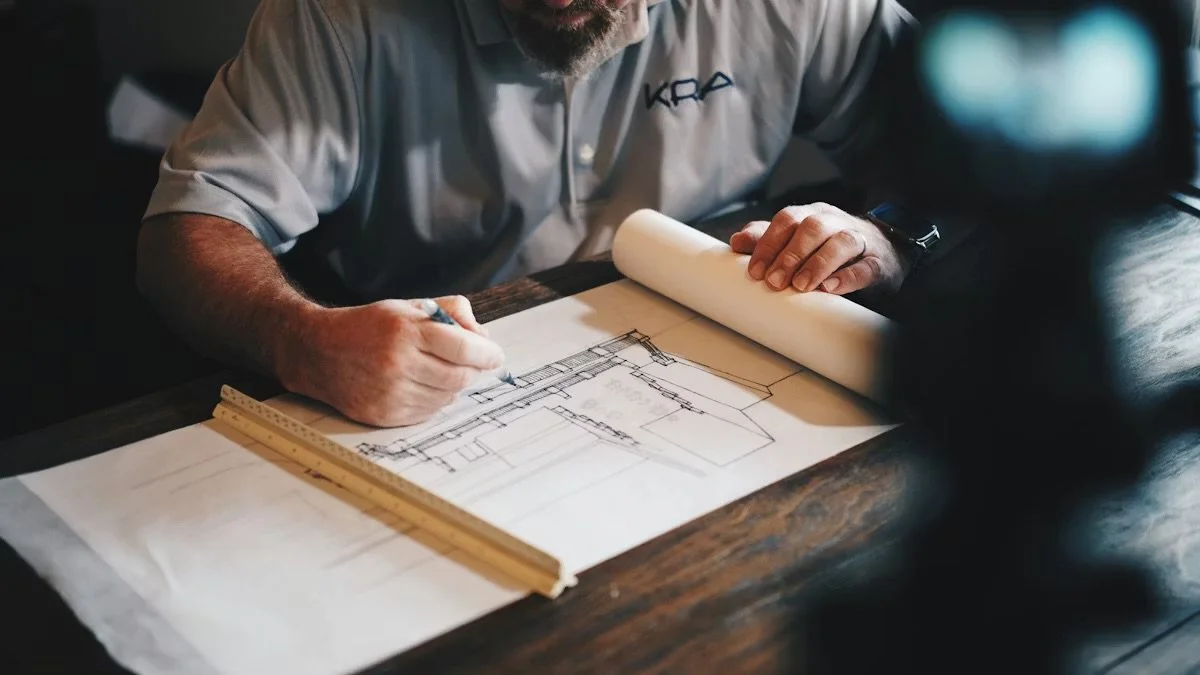
Without a clear understanding of how your organization creates change, the anxiety and conflict will continue. Without understanding impact, many nonprofit boards default to governance by financial control. It is time to go back to the fundamentals of how you create change because strategy and decision making must be driven by a nonprofit theory of change.

Nonprofit Board Lane Changes
We are in challenging times and the systems supporting nonprofit organizations are buckling. The degree to which we recover is the degree that we bring down the tension in nonprofit board rooms and remind ourselves what lane to belong in and respond accordingly. Until we recognize that all nonprofit organizations are in different lanes on the same road, guidance in the board room will seem undifferentiated and lead to otherwise preventable accidents and deaths.
Return to Community Capitalism - Part 3
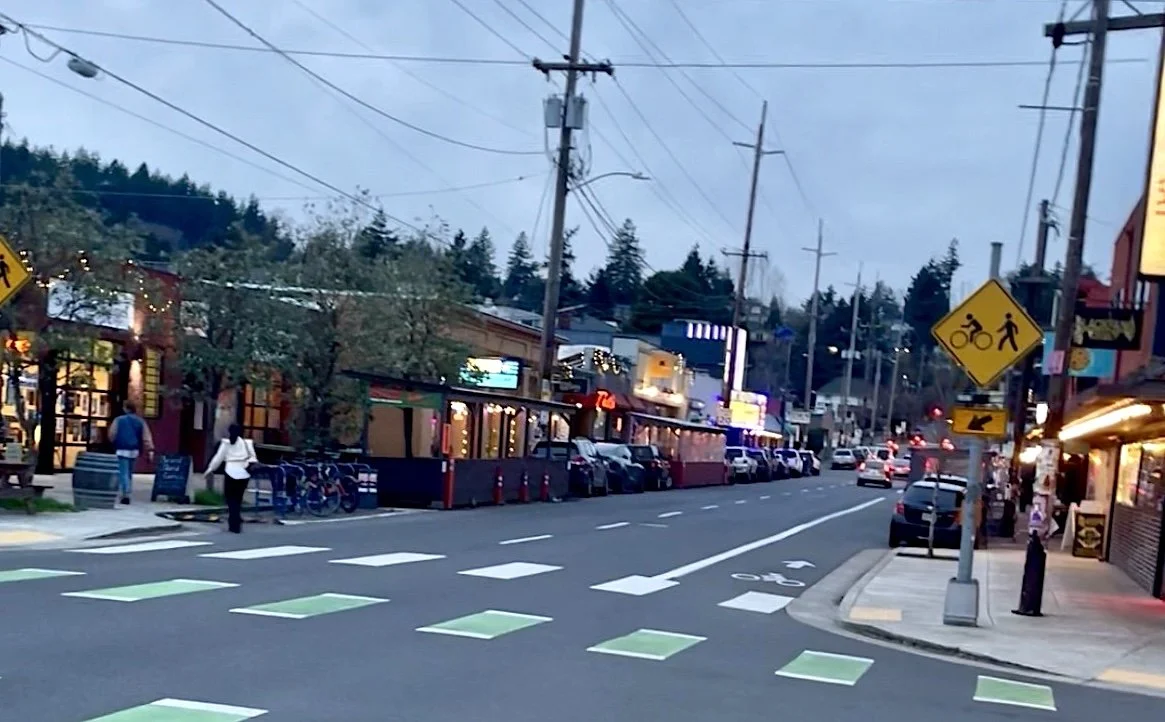
It does not take a degree in economics to understand that the interests of corporate shareholders work directly against building local wealth. Yet, somehow, corporations were able to convince political leaders that with the birth of globalization, “there is no alternative” to ceding to the public policy demands of corporate capitalism. What’s baffling in a city that is branded as progressive is how many elected politicians line up to incentivize corporate interests over community interests.
Return to Community Capitalism - Part 2
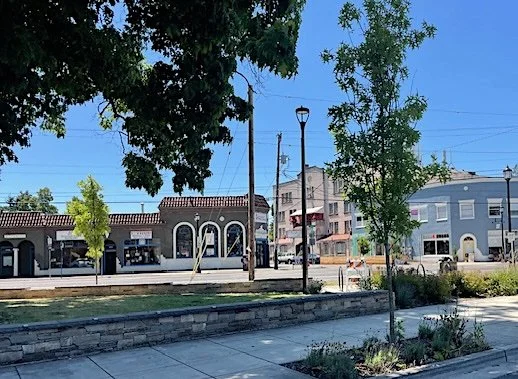
The purpose of this article is to challenge the notion that “There Is No Alternative” to economic development other than to prop up the broken system of predatory capitalism that widens the wealth gap at the expense of taxpayers. Shifting public investments from corporate capitalism to community capitalism is possible but in Portland, at this moment in time, it requires our elected officials to put the neighborhoods and districts they were elected to represent ahead of the basketball ticket perks that come with their job.

Return to Community Capitalism - Part 1
Using data to drive a “there is no alternative” agenda, we are forced to believe that improving our economy is only obtainable by subsidizing corporations, shifting social and infrastructure burden from corporations to taxpayers, and reducing corporate regulatory and tax barriers. In other words, the local equivalent of Reaganomics at its finest.

Nonprofit Strategic Planning or Navigation Planning
A strategic plan tells the story of how you create change and why it is important (visually represented in a logic model or theory of change), and maps out a strategy to track progress. When that plan is interrupted by a short term challenge or crisis, a navigation plan is the equivalent of the GPS in your car rerouting you around an accident or other road delay. Once that obstacle is navigated the GPS put you back in track towards your destination.

Collaboration and Nonprofit Developmental Stages
We must face the reality that we are at the front end of a fundamental reordering of the nonprofit sector and, as a nonprofit, you can be dragged along because of agency and leadership hubris or you can control your place in the reordering.

Five Nonprofit Conversations Needed Now
If your nonprofit has a weak theory of change, with outcomes supported by little data, you are struggling to create revenues and a board capable of leadership, and your current strategy feels like it is one step forward and one (or more) steps backwards, it is time for nonprofit leadership and board members engage in five critical conversations now.

Critical collaboration: Not all nonprofits will survive
If you are cutting programs, staff, or infrastructure, you certainly can’t add “new” revenue generating strategies. Cutting programs won’t rescue you either. It’s time to think differently about your organization’s future. Whatever your issue area is you are not alone. Other are working on the same issues and, because you are not alone, the conversations must shift.
Where There Is No Vision
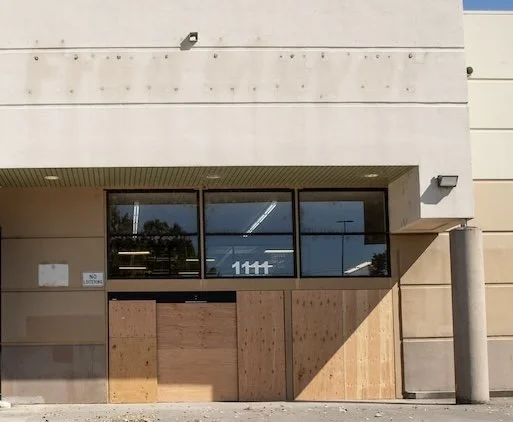
It may be easy for us to see that the detrimental impact of consolidating retail power at the national level but it is important to zoom into the hyperlocal context to see how the loss of a one-stop shopping store closure harms a neighborhood economy. Let’s imagine if the city invested resources similar to those invested downtown to offset an anchor store closure in an already disenfranchised neighborhood. Let’s imagine if we had a vision for economic and social equity and the political will to carry it out.
Facilitating when there is more at stake
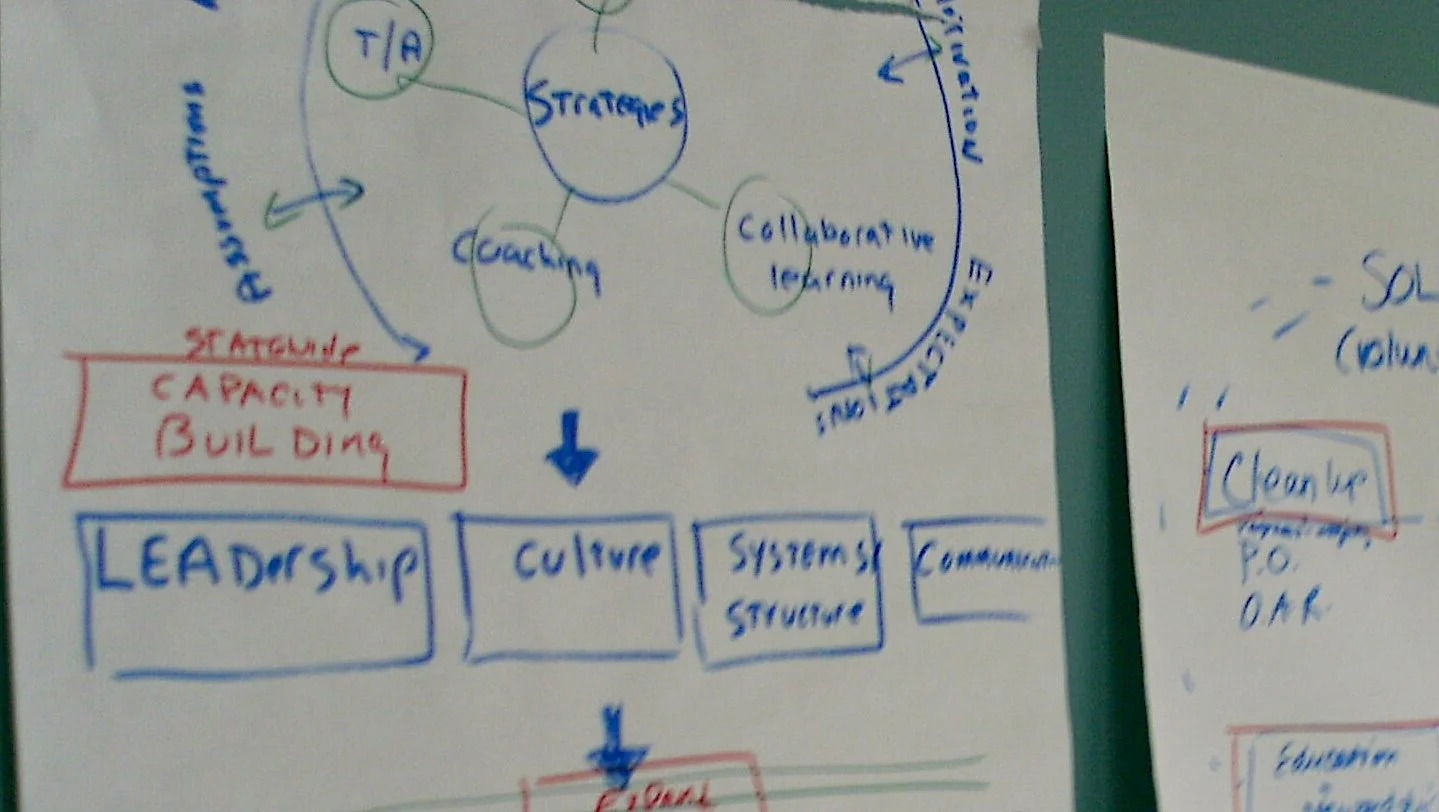
When the meeting stakes are high, trust or social parity between members is low, and/or process skills are weak the need for an outside facilitator increases. Unfortunately, the idea of paying for facilitation clouds the judgement of teams to self assess their objectivity, equity, and process skills. As a result applying routine “we can do it ourselves” facilitation skills to high stakes meetings, at best, cheats the process, and at the extreme, results in bad decisions.
The critical need for community collaboration
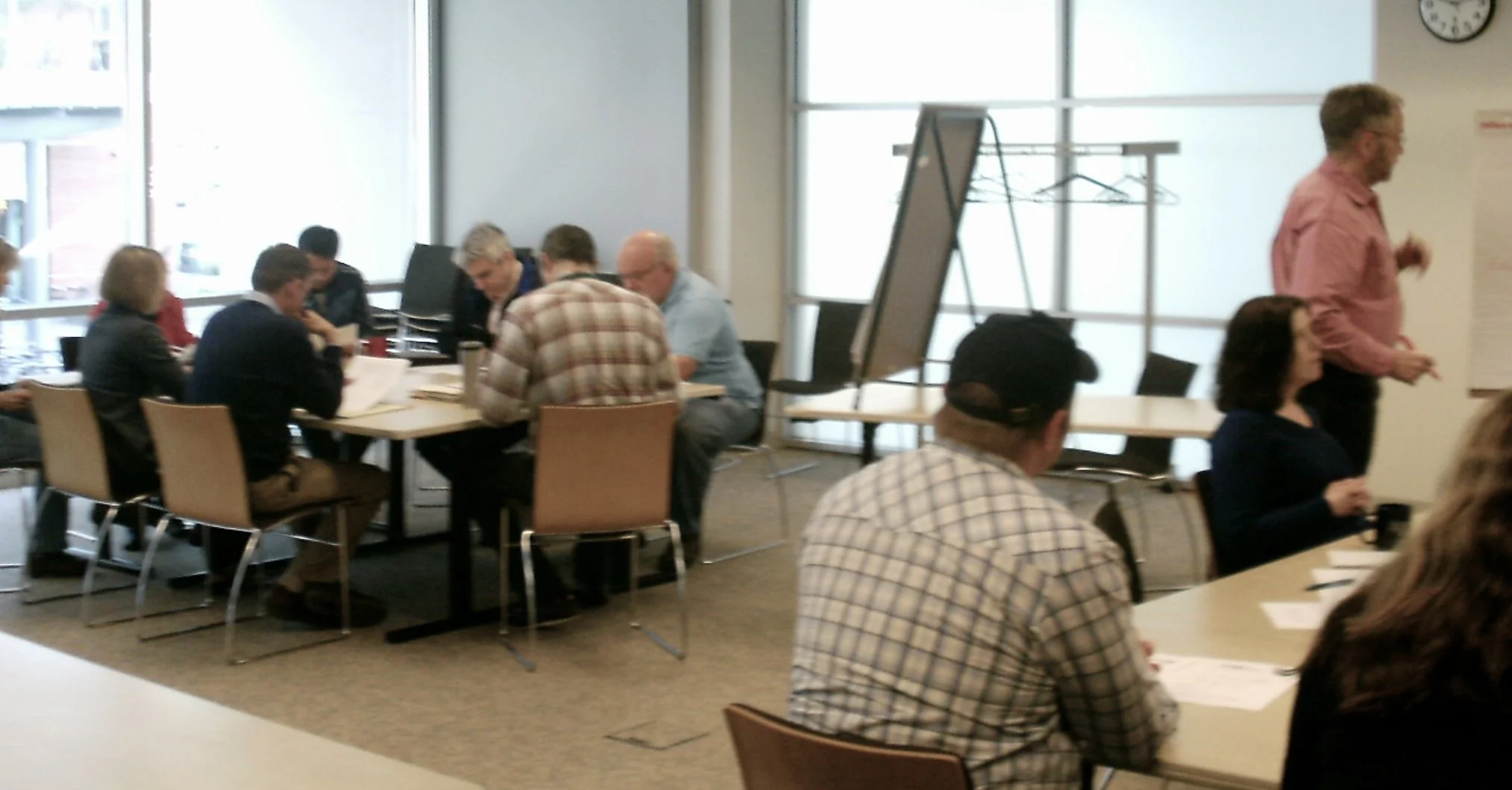
I was recently reading an article on social solidarity, human rights, and collective action and was reminded that any big change requires rebuilding trust, developed by establishing platforms for citizen participation. Collaboration rather and individualism must be the platform for change. Imagine. Imagine rediscovering the vitality and potential of the community. Imagine, creating the time to learn, plan and engage in collaboration with a renewed sense of urgency. Imagine if we build more porches to connect us and fewer fences to divide us.
Seeds of community change
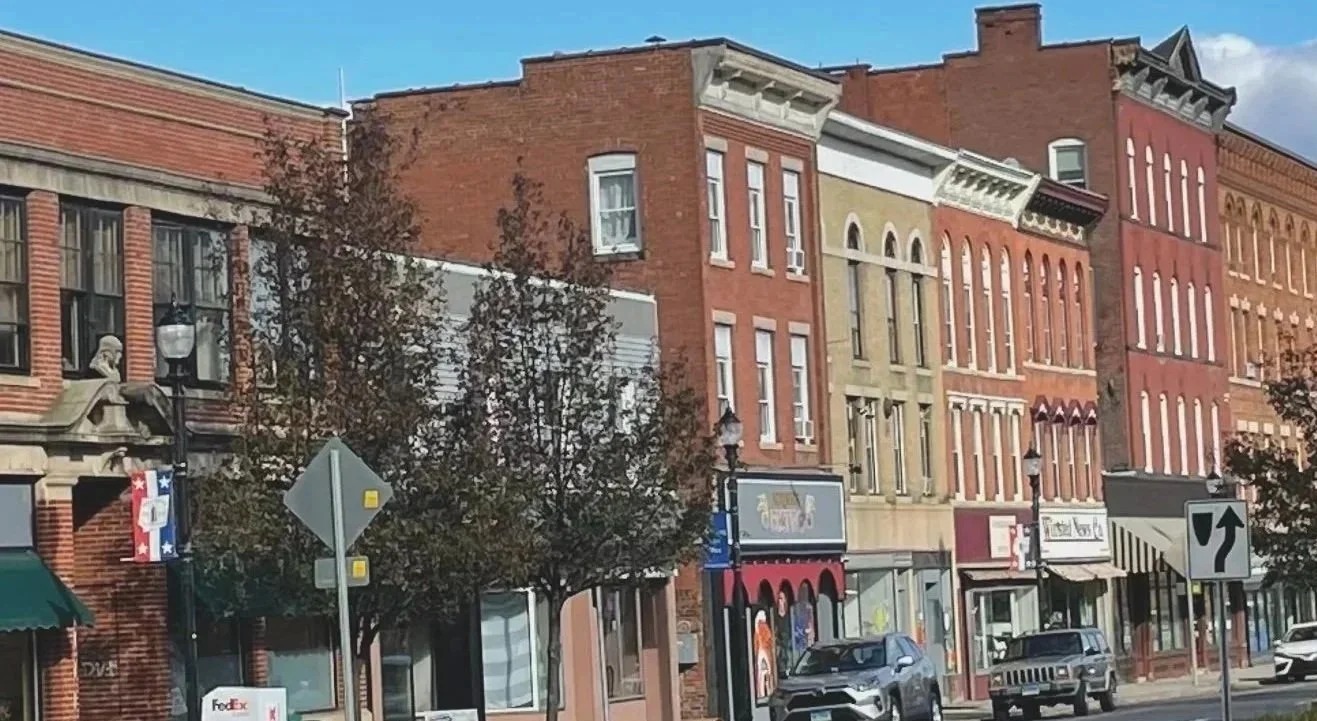
Decades later, we are still in need of a new approach to community development. An approach grounded in systems rather silos and focused on rebuilding at the local economic level. Like the town of my childhood, there are too many local economies that are hollowed out factories that remain empty. Community leaders face a choice, let industrial decay (literal or figurative) become a photojournalism project or invest in designing and implementing hyperlocal strategies that concurrently build connections between people, recapture local economies, and expand civic pride.